Tell me where you are, or where you're going. I'll build you the night: the spot, the date, the hour, and exactly what you'll be looking at.
Plan my trip — from $150Stargazing trip plans delivered within 10 days. Rush available.
Four reasons people hand this to me instead of doing it themselves.
You do not need to know anything to start. That is the whole point of having it planned. You show up, your eyes adjust, and the sky fills in.
A stargazing trip built around one specific night in one specific place, not general advice.
One trip. That can be a flight across the world or a road trip an hour from your front door, and it works whether you already know where you're going or you just want somewhere worth driving to. Same baseline either way.
Multi-stop routes, several nights, a lot of moving parts. There's more to unpack, so a larger fee applies. Message me and we'll arrange it before you pay anything.
Delivered within 10 days. Rush jobs available.
Plan my tripIt's rarely bad luck. It's usually one of these four.
I've spent ten years chasing dark skies across the world and all fifty states, so you don't have to think about any of this. You just show up and experience awe under a night full of stars.
I'd rather you know before you pay.
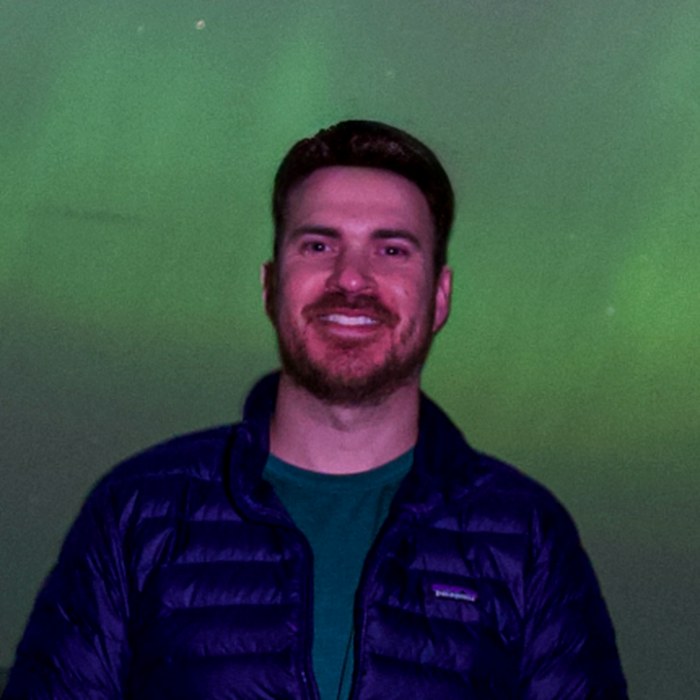
I'm Daniel, a full-time traveler and amateur astronomer. Since 2016 I've been going wherever the sky is still black: Easter Island, Lapland, the summit air on Mauna Kea, the Maldives, and every one of the fifty states.
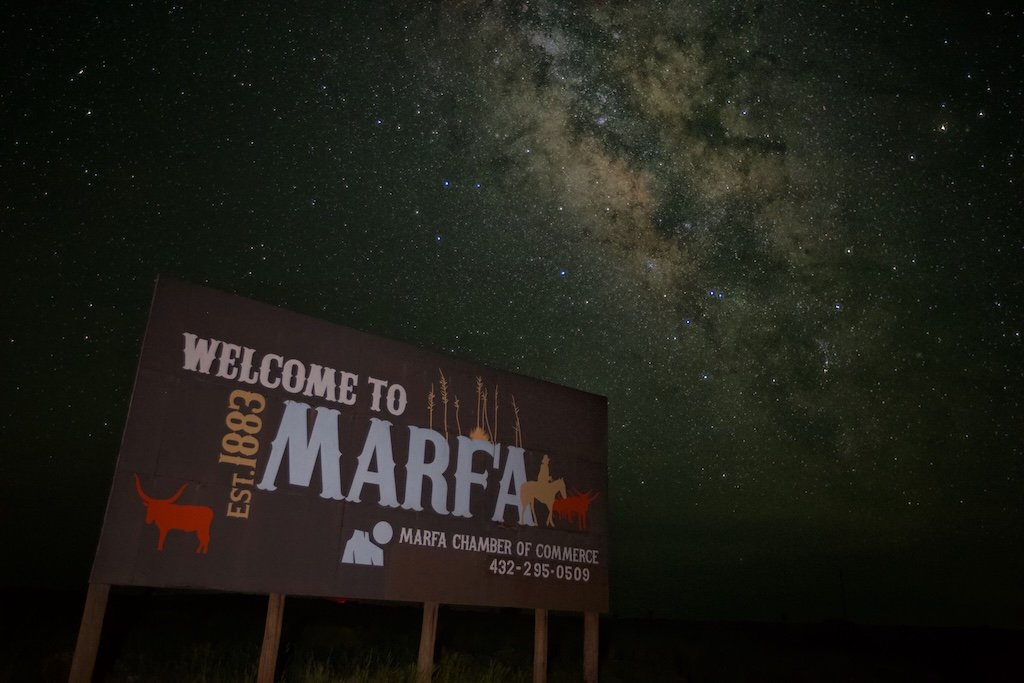
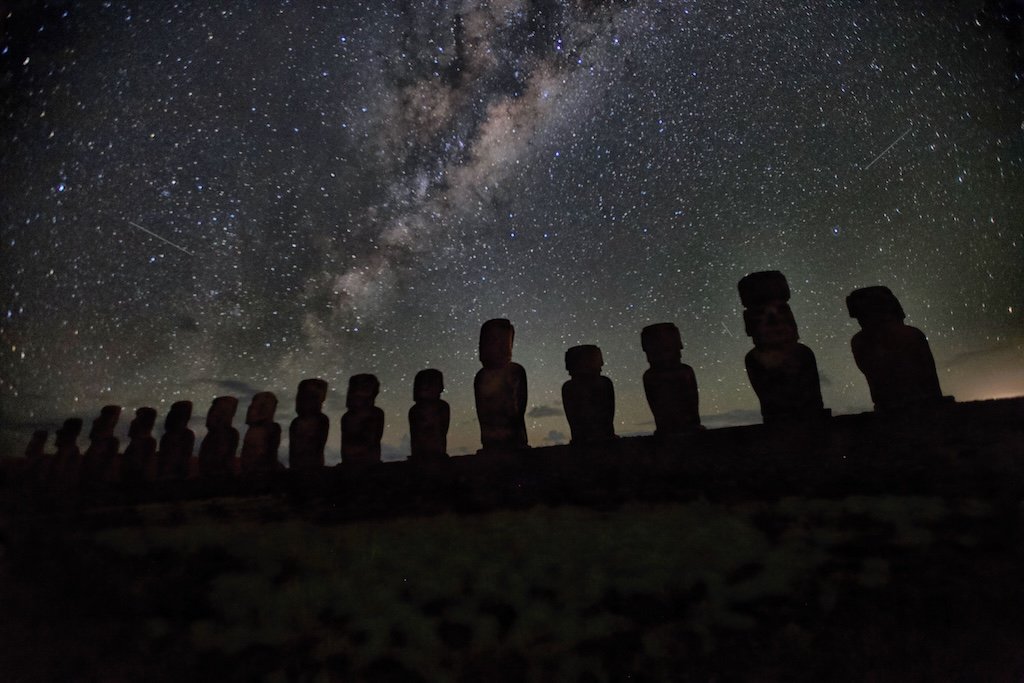
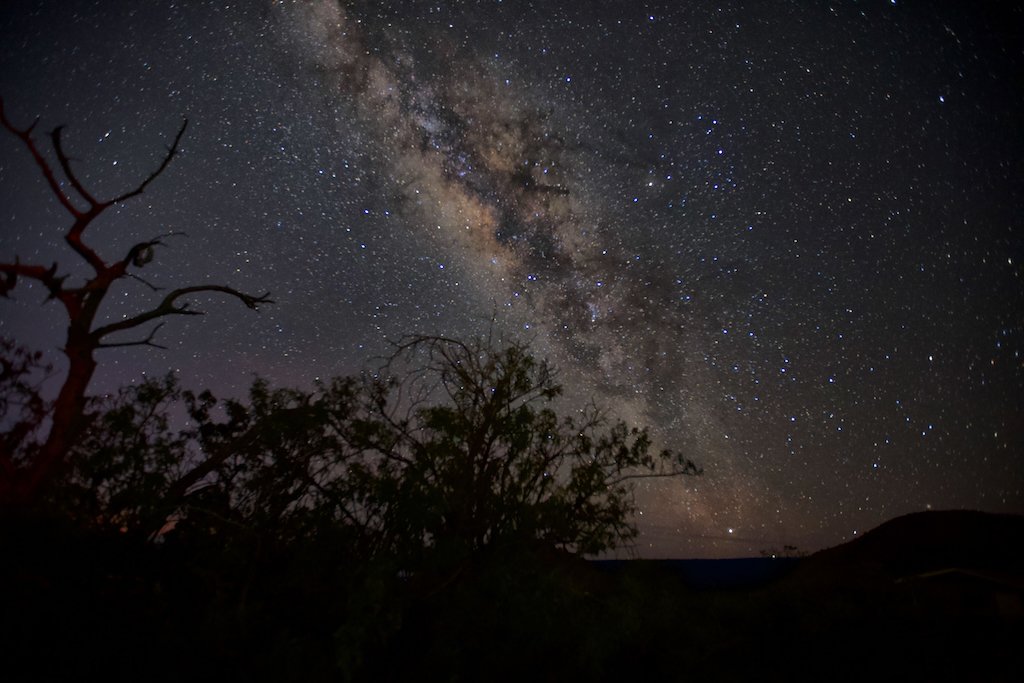
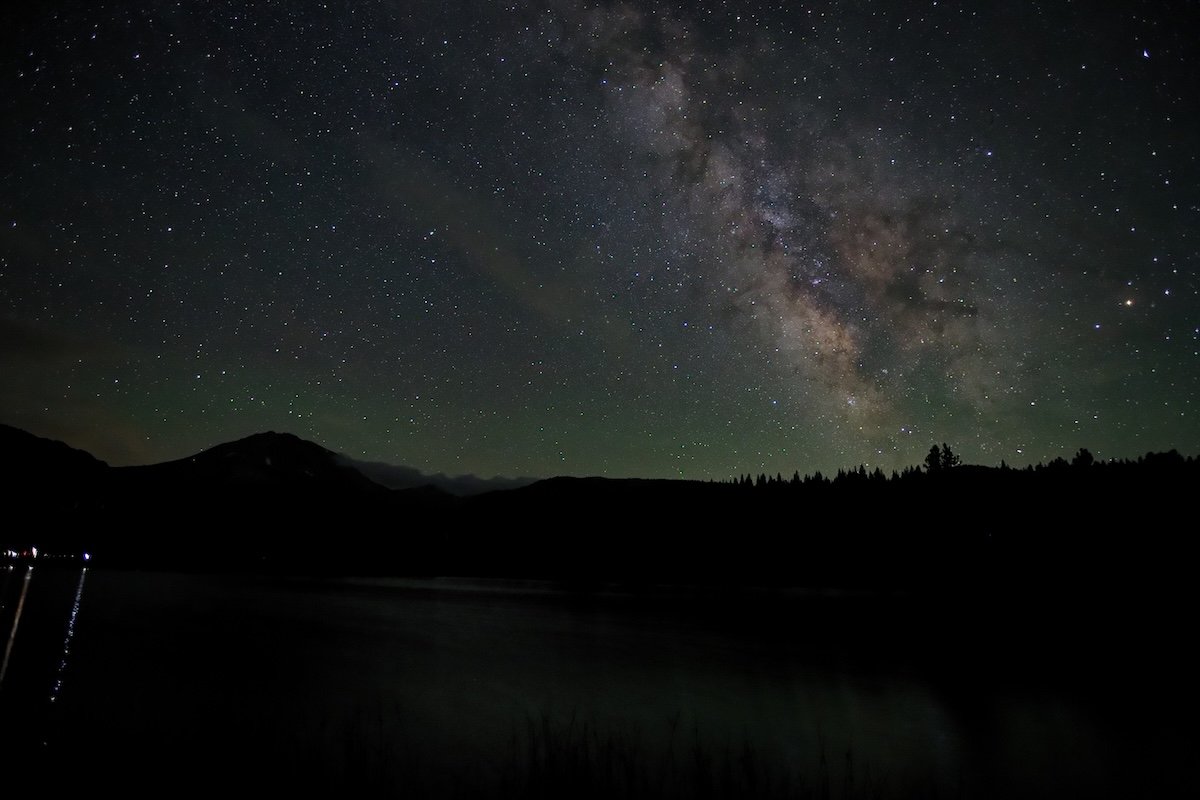
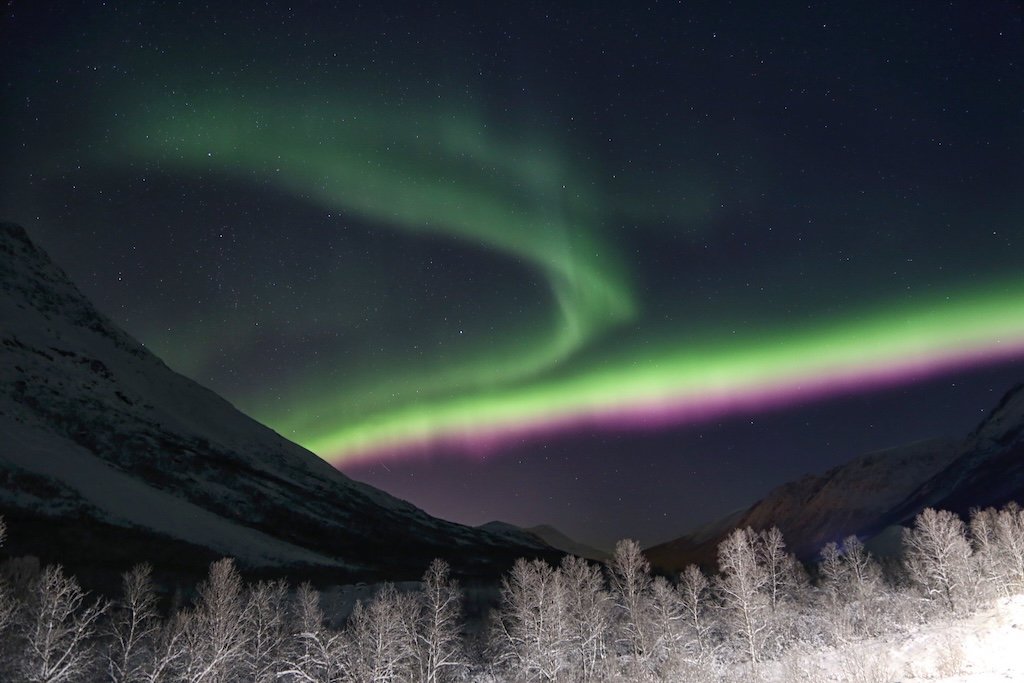
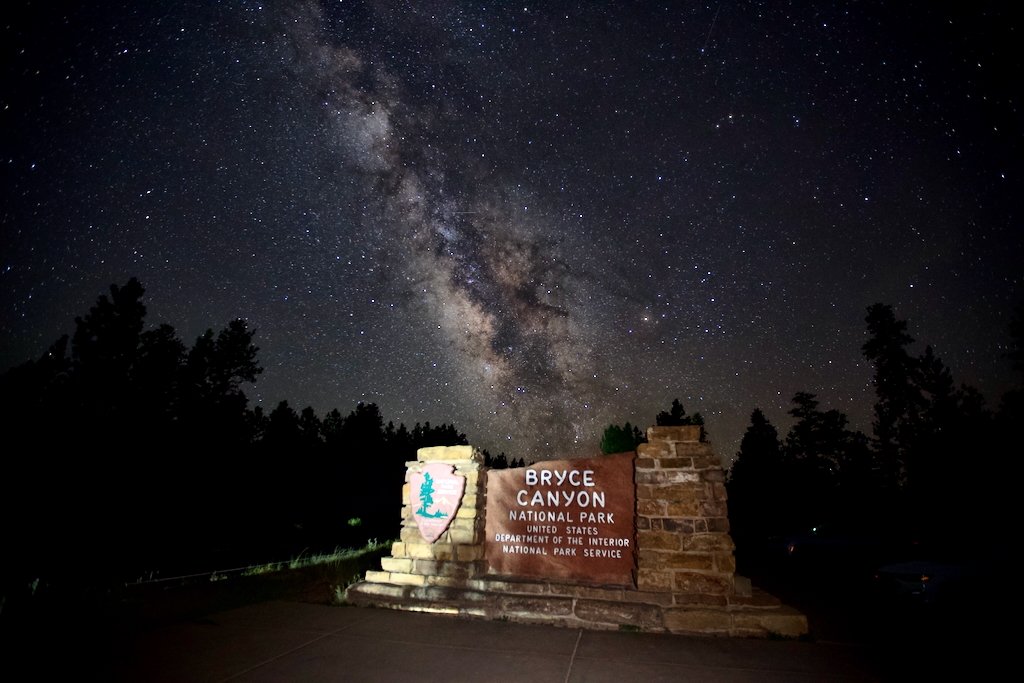
I've been shooting astrophotography since 2013, three years before I started chasing dark skies full time. Every photo on this page is one of mine, taken on a normal night from a place you can legally stand.
So if you want to come home with images and not just memories, say so and I'll build that into your plan: the settings for the conditions you'll actually have that night, where to set up, how long to expose, and what's realistically within reach of whatever you're bringing. Even if that's just your phone, which is better at this than most people expect.
I also come out of luxury and adventure travel, and the night sky is rarely the only reason you're going somewhere. So while your plan is built around the best possible night under the stars, I factor in the rest of it: where to eat, what's worth seeing, the culture you're standing in the middle of.
That way, if the weather turns on your best night, you still come home having had a trip worth taking.
Start with where I have already been. Everything under the map is somewhere I plan around, from the places everybody knows to the ones that only turn up after years of looking.
All fifty states, and thirty countries and territories across six continents. Hover any country for the name.
The densest run of protected dark sky in the country. Five national parks inside a day’s drive of each other.
Dry air, high ground and very little between you and the horizon. Some of the steadiest seeing anywhere.
Big Bend is the darkest place in the lower 48 by most measurements, and the rest of west Texas is not far behind.
Altitude thins the air above you. The trade is weather, which is why the plan always carries a second night.
Home to the largest dark sky sanctuary on Earth. Summer is the season here; winter belongs to the clouds.
Two of the darkest national parks in the country sit within a few hours of twenty million people.
Flat, empty and far from anything. The Milky Way runs corner to corner with nothing in the way.
Harder country for this, which makes the pockets that survive worth the drive. Cherry Springs is the famous one for good reason.
Humidity costs you some transparency, but the good sites here are darker than most people from the region expect.
The driest desert on Earth sits under the most heavily observed sky on Earth, which tells you most of what you need to know. The Gabriela Mistral Sanctuary was the first of its kind anywhere, certified in 2015. The Atacama itself holds no designation at all and does not need one.
NamibRand is the only Dark Sky Reserve on the continent, certified back in 2012. The Kalahari sanctuary across the border in South Africa measures 21.6 mag/arcsec², which is about as dark as a sky gets anywhere.
Between them they hold more certified dark sky than anywhere outside North America. Aoraki Mackenzie is the largest reserve in the southern hemisphere, and two entire New Zealand islands are sanctuaries in their own right.
Superb skies, almost no paperwork. Iceland and Sweden have no certified places at all, Norway got its first only in 2024 and Finland its first in 2026. Worth knowing before you book: this far north, May through July has no real darkness in it.
Two different schemes run here and people mix them up constantly. DarkSky International certifies parks and reserves. The Starlight Foundation certifies destinations, and that is what La Palma and Alqueva actually hold.
Japan has quietly built a real network of certified places while nobody was watching, and Niue is the only entire country on the list. Wadi Rum and Ladakh get called dark sky reserves constantly. Neither one is certified, which does not make them any less worth going to.
the well-known ones · quieter spots most lists leave out
You do not have to pick from this list. Tell me where you are starting from and how far you are willing to go, whether that is two hours in the car or a flight to the other hemisphere, and finding the right one is the work you are paying for. Half the plans I build end up somewhere the person had never heard of, an hour or two from their own front door.
Dark sky trip planning is having someone work out the where, the when and the what for one specific night under the stars. For $150 I pick the location and give you its Bortle class, choose the date around moon phase and true astronomical darkness, give you the hours that night when the sky is genuinely dark, tell you what will be overhead and where to look first, and include a backup location and a backup night for weather.
A dark sky plan starts at $150. That covers one night in one place, delivered as a PDF within 10 days. Bigger trips with several locations or international logistics are quoted separately. Aurora trips are a different product at $400, because chasing the northern lights needs a forecast-driven plan and an hour on a call.
Usually less far than people expect. From most mid-sized cities a genuinely dark site is 45 to 90 minutes away, roughly 40 to 80 miles (65 to 130 km). Direction matters as much as distance: driving away from the city glow beats driving further along the edge of it, which is the mistake most people make on their first attempt.
In the northern hemisphere the bright core of the Milky Way is above the horizon from roughly March through October, and it sits high enough for a proper view from June through September. Outside that window you can still see the fainter outer band of the galaxy, but not the dense, structured part people picture when they imagine the Milky Way.
No. Everything in your plan is built around what you can see with your own eyes, and a first dark sky night needs no equipment at all. If you do bring a camera I include settings for the conditions you will actually have that night, and that covers phone cameras.
That is the normal case, and it is covered by the same $150. Tell me your home city and how far you are willing to drive, and finding the right place is exactly the work you are paying for. You can also say “inspire me” and let the sky decide where you go.
The darkest measured skies in the lower 48 are in west Texas around Big Bend, and across the Colorado Plateau in southern Utah and northern Arizona, where Bryce Canyon, Capitol Reef, Natural Bridges and the Grand Canyon all sit within a day's drive of each other. Oregon's Outback holds the largest dark sky sanctuary in the world. But every region has something: Cherry Springs in Pennsylvania, Voyageurs and the Boundary Waters in Minnesota, Great Sand Dunes in Colorado, Death Valley and Joshua Tree in California, and Mammoth Cave in Kentucky. The one worth your time is usually the darkest sky you can reach on the nights you actually have free.
A light pollution map tells you where it is dark. It does not tell you which nights the moon leaves you enough darkness, what is actually above the horizon on your date, which hours are genuinely dark at that latitude, or whether you can legally stand somewhere for three hours in the middle of the night. Darkness is one of four variables, and it is the easiest one to solve.
Yes, and it changes the plan. Children do better with a shorter drive, an earlier window, a restroom nearby, and a spot you can walk into rather than hike to. Tell me their ages and I build the night around what they can realistically handle.
Every plan includes a backup location and a backup night. Nobody can promise clear skies, but you will not be left standing in the dark with nothing to fall back on.
Yes. Light pollution data, moon phase and astronomical darkness are computable anywhere in the world, and I have planned nights on six continents.
Standard delivery is within 10 days of your answers. A rush job depends on what is already on my plate, so message me before you buy and I will tell you right away whether I can hit your date.
Most people only get a handful of chances at this. Make one of them count.
Plan my trip — from $150Stargazing trip plans delivered within 10 days. Rush available.