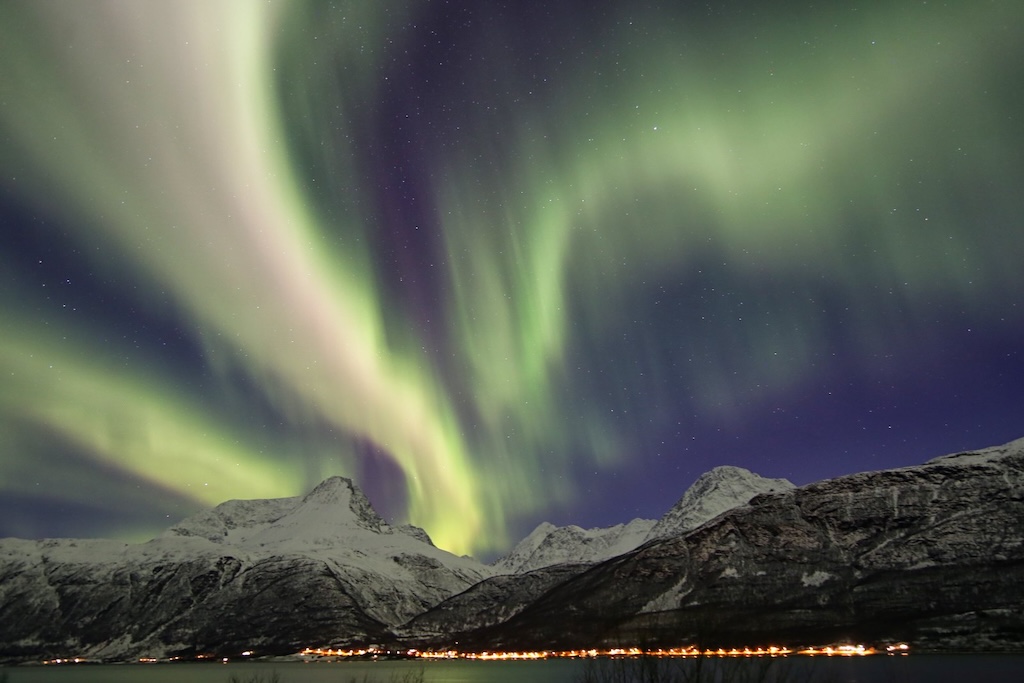
I have spent ten years chasing the northern lights, and the nights that came through still blow me away. I put all of that into planning your northern lights trip, then get on a call and go through it with you personally.
Northern lights trip plan within 10 days, then a one-hour call. One package, nothing to choose.
An aurora trip looks unplannable. It is not. It is just planned differently: around a forecast instead of a date, with a second option behind every first one.
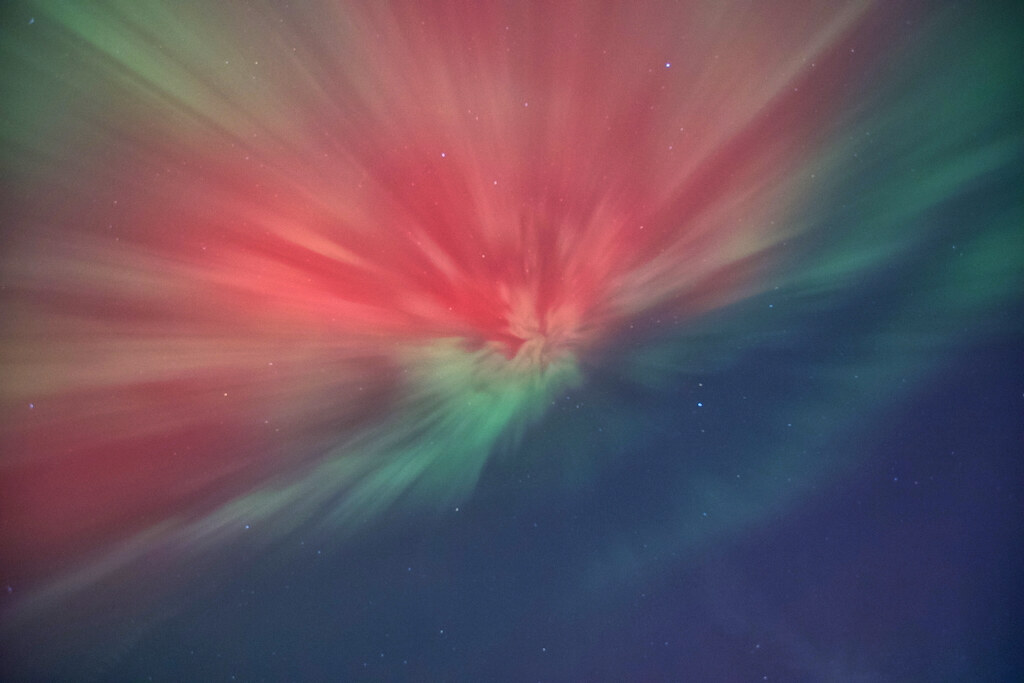
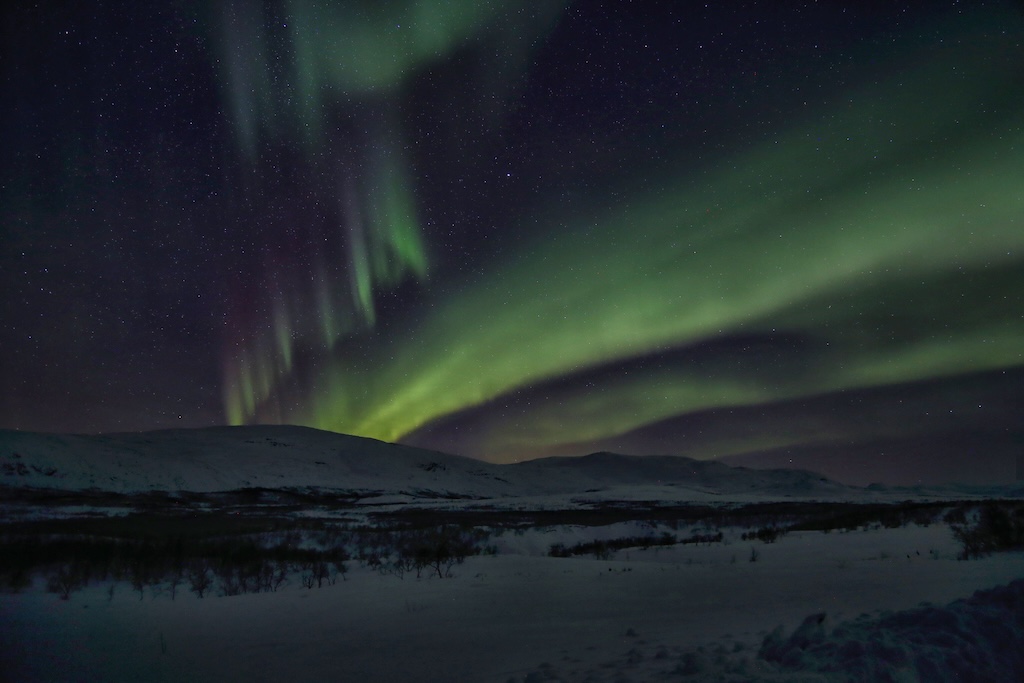
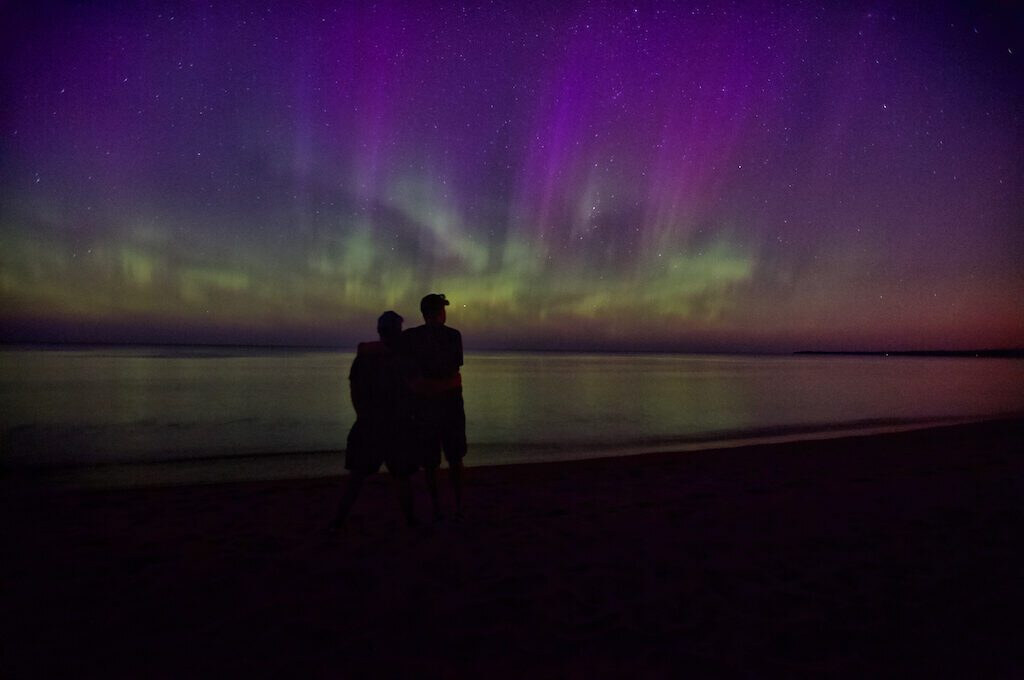
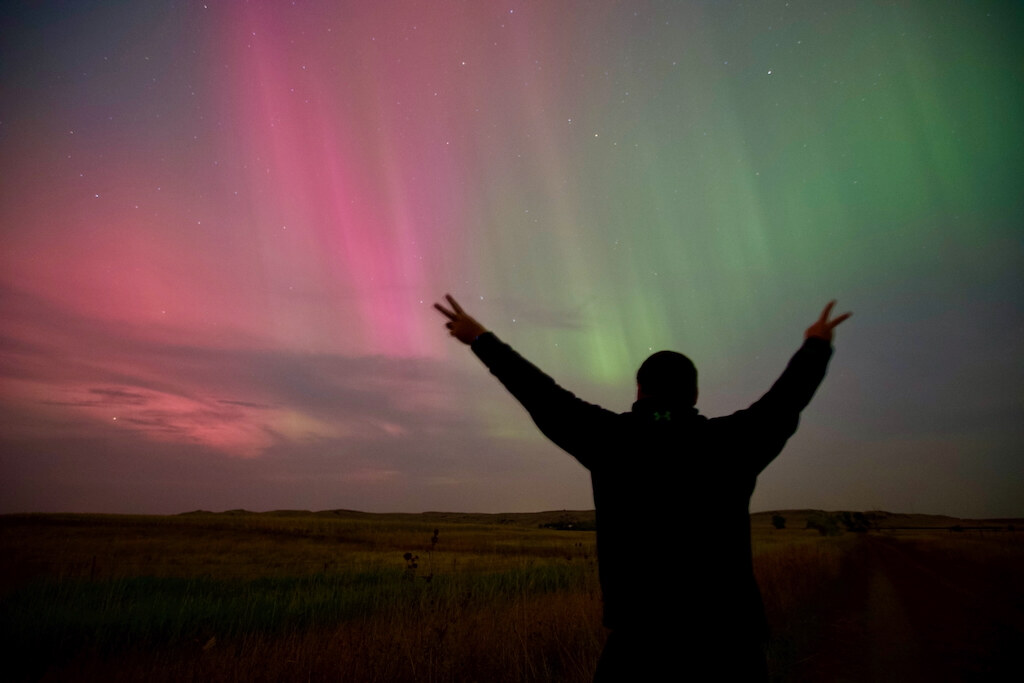
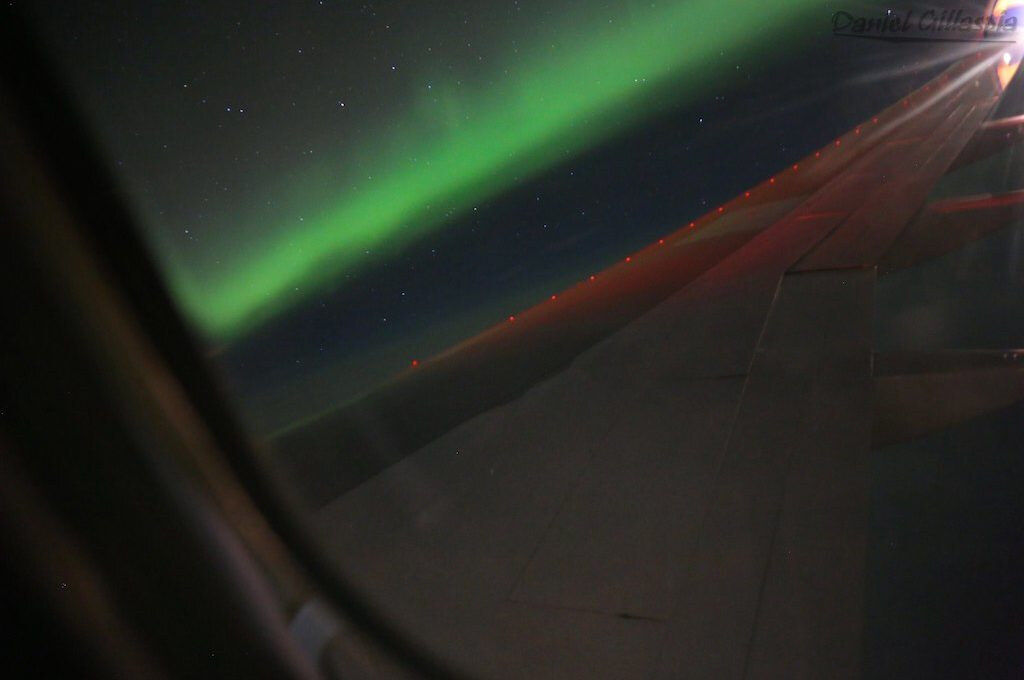
Now happens to be a good time to go. Solar maximum passed in October 2024, and it is tempting to read that as "you missed it." The record says otherwise: the strongest storms of a cycle usually land in the years after the peak. Cycle 23 peaked in 2001 and threw its biggest flares in 2003. We are about two years past this one. There will be fewer nights than in 2024, and the good ones will be very good.
A plan for a moving target, and an hour on a call once you have read it.
Then an hour on a call with me. Live, once you have read the plan. Bring every question you have, including the ones you think are too basic. This is the part people tell me they get the most out of.
Nearly every aurora clip you have ever seen is sped up ten or twenty times, which is why people arrive expecting the sky to whip around. This is the speed it actually moves at on a good night.
Shot at normal speed, no frames dropped. Watch it on Flickr if the player above does not load.
On a quiet night it is slower than this and closer to gray. On a big night it is faster and you stop trying to film it. Knowing which one you are looking at is most of what I do.
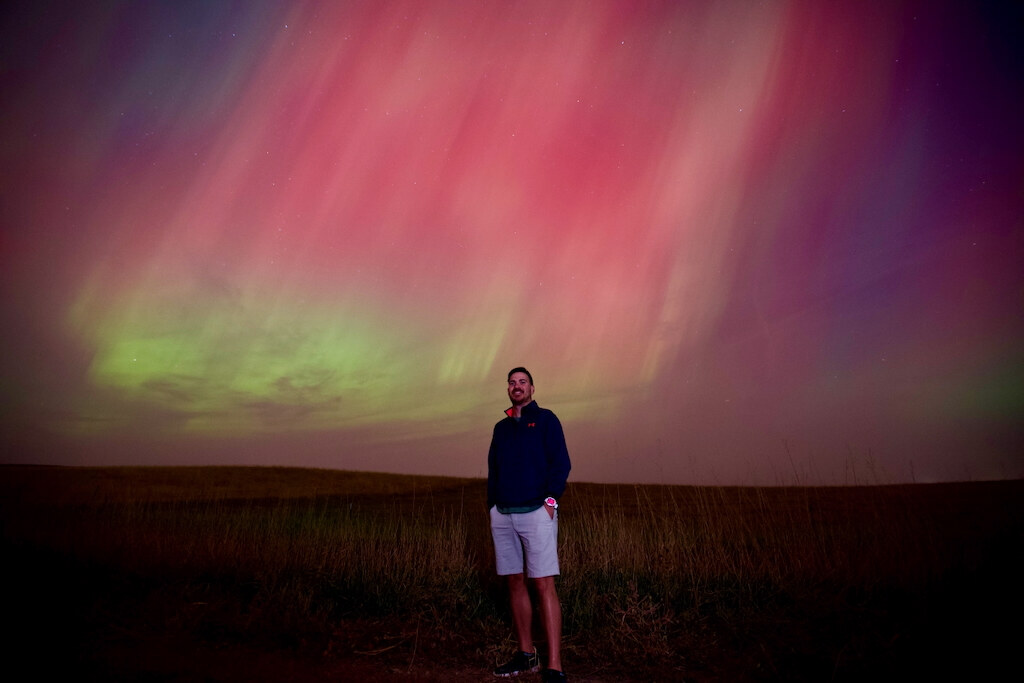
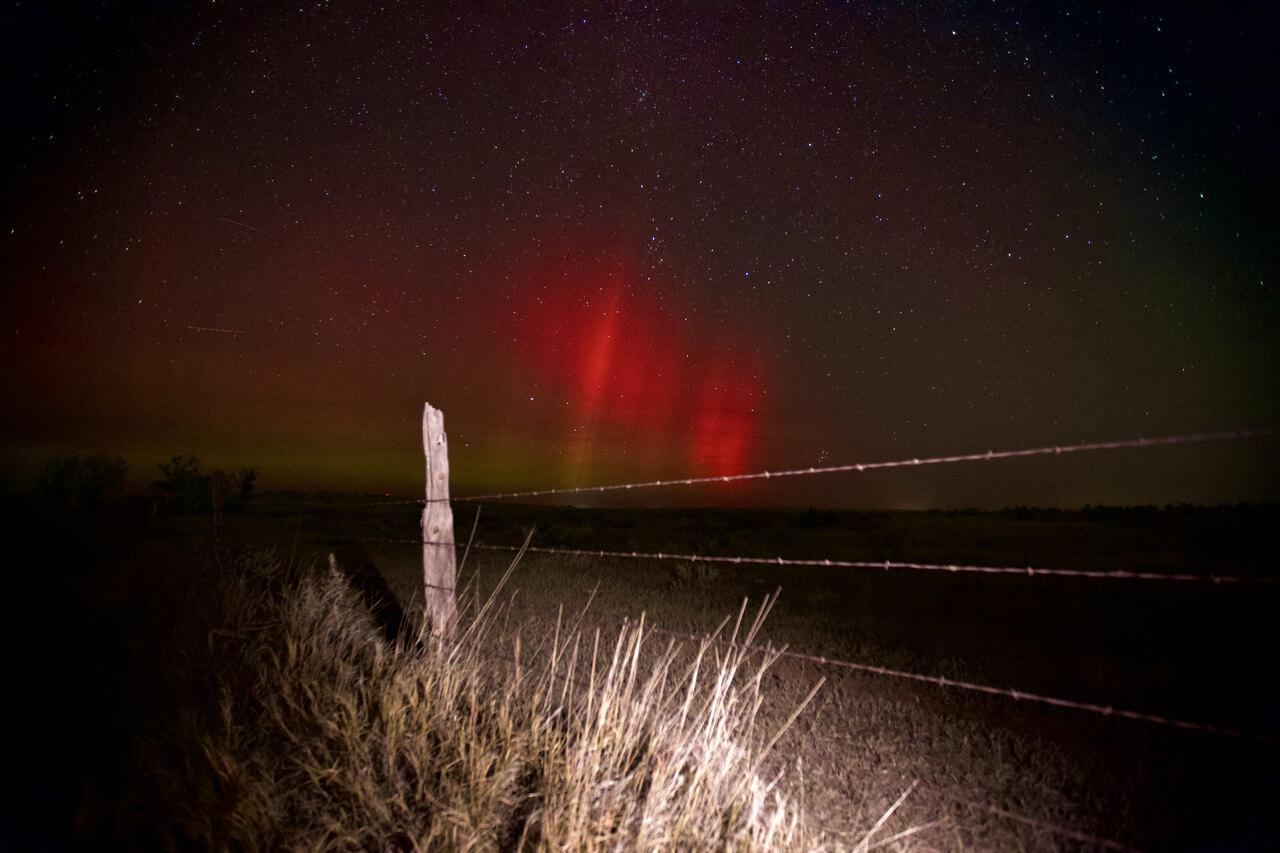
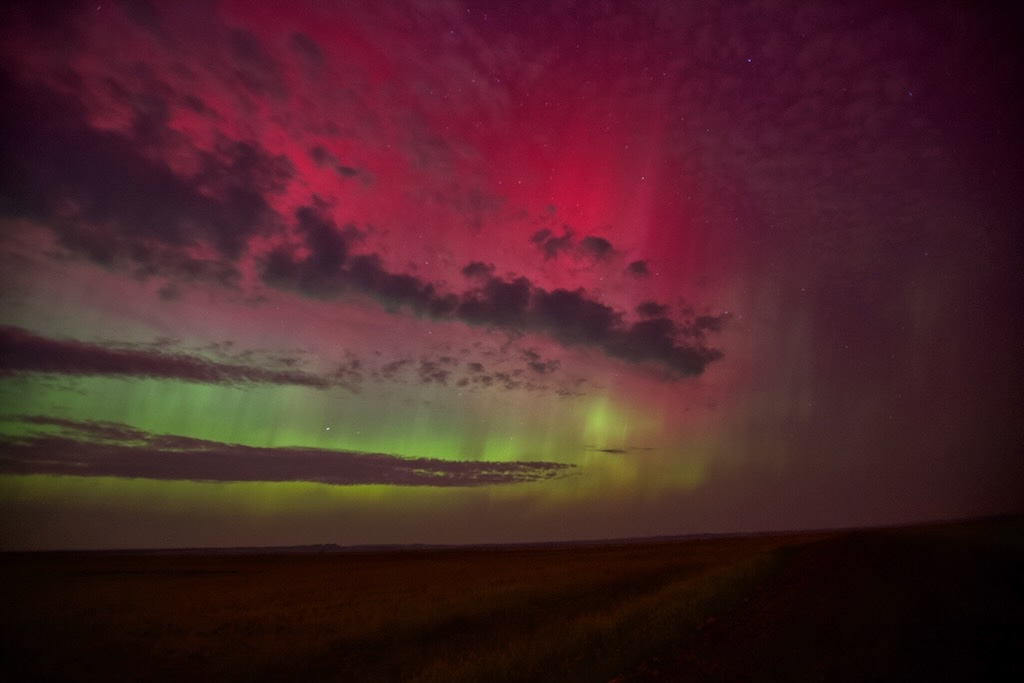
Six so far, from the Arctic down to a field in the American Midwest. Ten years of northern lights travel, and they still come further south than most people think.
Both get called a northern lights vacation. They have almost nothing else in common, and I have done a lot of each.
ArcticYou are parked underneath the oval, so even a quiet night usually shows you something.
Mid-latitudeIt takes a real geomagnetic storm to drag the oval far enough south to reach you.
ArcticPick your week months out and the odds hold. That is the whole reason it costs what it costs.
Mid-latitudeA day or two of warning, so it suits people who can drop everything and drive.
ArcticThe expensive one. Long flights, and the ground is not cheap either.
Mid-latitudeFar cheaper. Often a drive rather than a flight, and no arctic clothing bill.
Arctic−20 °C (−4 °F) is an ordinary evening, and what you wear stops being a detail.
Mid-latitudeA normal winter night where you live. Warm boots and a flask cover it.
ArcticDark from mid-afternoon, which means several separate chances in one night rather than one.
Mid-latitudeA normal night window, so realistically one shot before you give up and sleep.
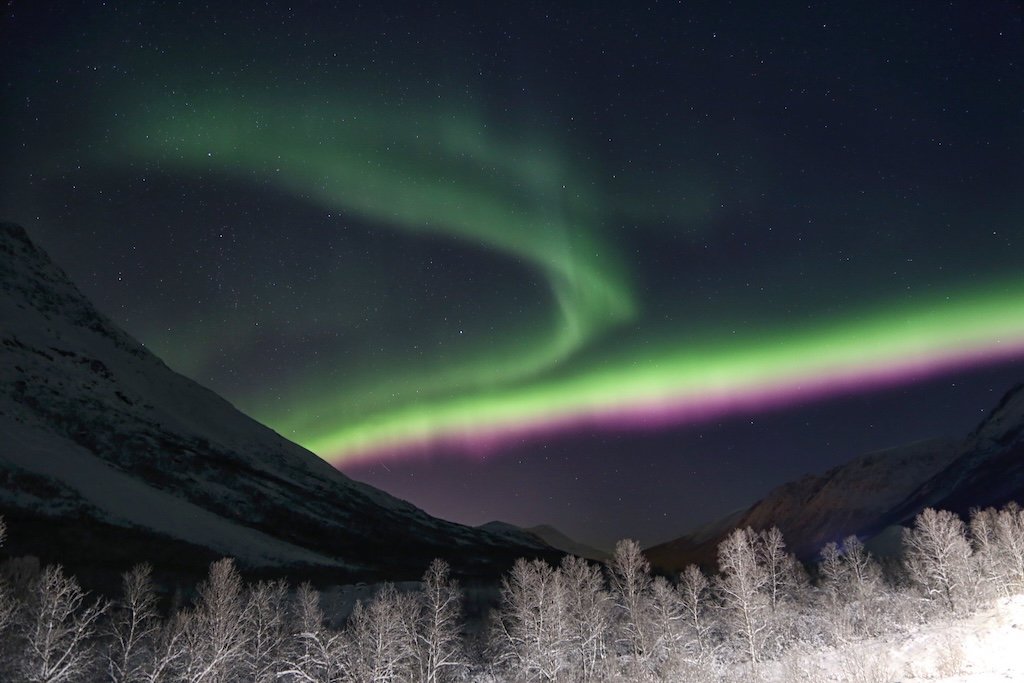
ArcticGreen overhead with structure in it, moving slowly enough that you notice it changing.
Mid-latitudeFrequently red rather than green, because you are seeing the top of the display over the horizon.
Norway, Sweden, Finland, Iceland, Alaska and northern Canada. You fly to the aurora borealis rather than waiting for it to reach you.
The northern United States, southern Canada, Scotland and Ireland. Cheaper, less predictable, and unforgettable on the nights it lands.
Which one is right depends on what you cannot move. If your dates are fixed and this has to happen, you are going north. If your budget is the tight part and you can leave on a Thursday, a mid-latitude aurora chase is a much better use of your money than most people realize. Tell me which of the two is the immovable one and I will tell you honestly which trip to take, including when the answer is to wait.
Not bad luck. These four, almost every time, and every one of them is solvable before you leave.
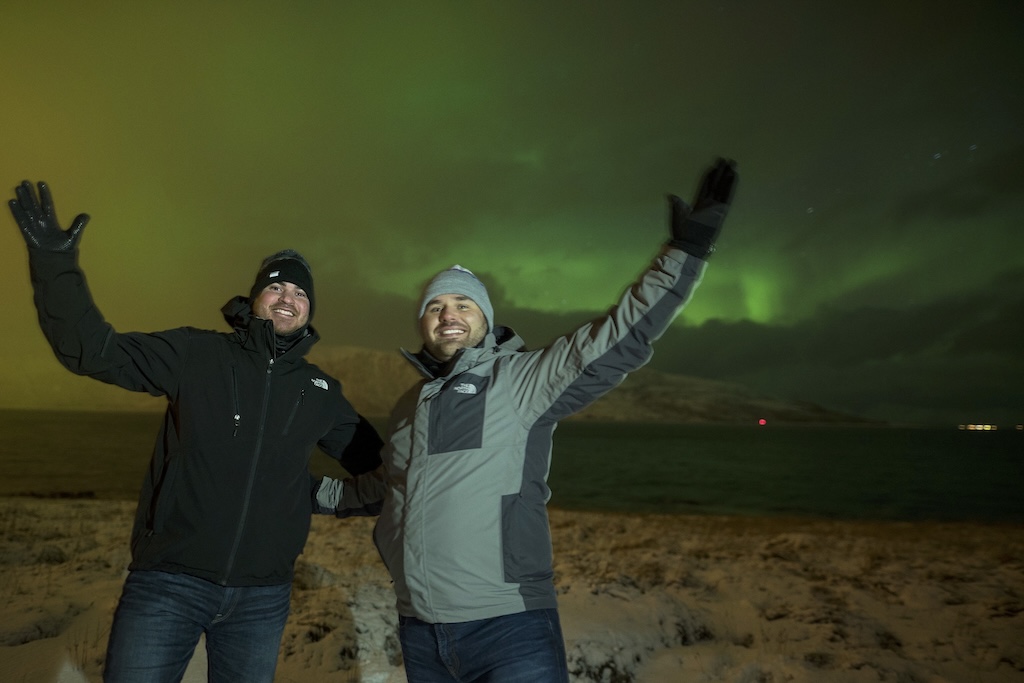
I went to Norway in 2016 looking for the aurora and got caught in a solar storm on Christmas night. Watching the sky come alive for hours changed how I see the night for good. Since then I've been building trips around exactly this, and I'll build yours so you're standing in the right place when it happens.
The plan within 10 days, then a one-hour call. Nothing else to choose.
Plan my aurora tripA dark sky plan is solvable on paper. Moon phase, darkness, and light pollution are all computable months ahead. Aurora is not. The trip has to be built so that it survives a forecast that changes hourly, and that takes more work and a live conversation rather than a document you read once.
Most trips are Norway, Iceland, Finland, Sweden, Alaska, or northern Canada. If you're headed somewhere further afield, or chasing the southern lights, message me first and we'll sort it out before you pay anything.
I'd rather you know before you pay.
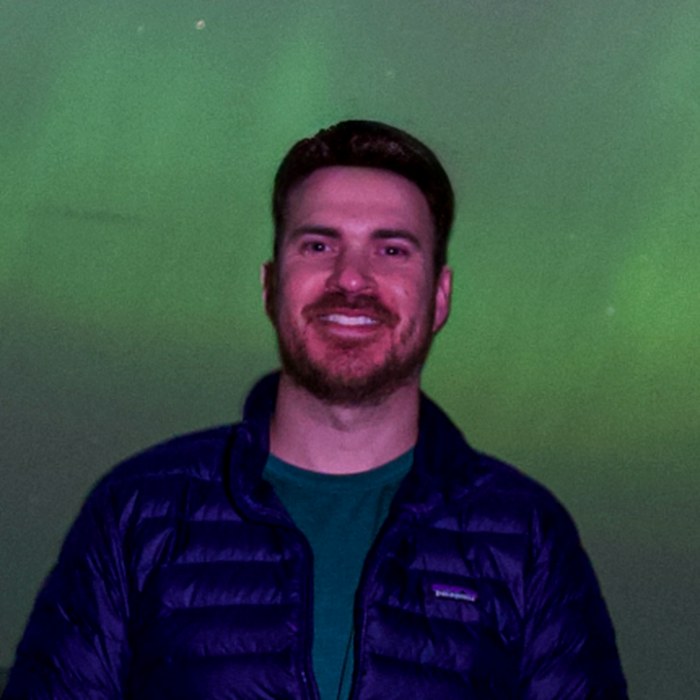
I'm Daniel, a full-time traveler and amateur astronomer. I took my first aurora borealis trip to Norway in 2016, got a solar storm on Christmas night, and have been going back to high latitudes ever since. Ten years of dark skies across six continents and all fifty states sits behind every plan I write.
A quiet night gives you a faint gray-green arc low to the north that your camera turns into something vivid. A good night gives you a band overhead with structure in it, moving slowly enough that you notice it changing. A great night, the kind I got in 2016, fills the whole sky and moves fast enough that you stop trying to photograph it.
All three are worth going for. Only one of them looks like the photos, and I would rather tell you that now than have you fly home feeling short-changed by a perfectly decent display.
Aurora nights are a few hours out of a week, and the aurora does not care about your itinerary. So your plan covers the daylight as well: where to eat, what's worth seeing, what to do with a cloudy afternoon in a town where the sun barely clears the horizon.
That way, if the sky never gives you the night you came for, you still come home having had a trip worth taking.
No, and I would not trust anyone who did. What I can do is put you in the best place, on the best nights available to you, knowing what to watch and where to drive when it clouds over. That turns a coin flip into good odds. It does not turn it into a certainty.
Three is the honest minimum. Five is comfortable. One night is a lottery ticket, and I'd rather tell you that before you buy a plan than after.
For reliability, somewhere inside the auroral oval: Tromsø and the Lofoten Islands in Norway, Abisko in Sweden, Rovaniemi and Saariselkä in Finland, Iceland, Fairbanks in Alaska, or Yellowknife in northern Canada. Those sit under the oval most nights, so you are not waiting on a storm. The right one for you depends on your budget, how much cold you can take, and whether you want a town or somewhere remote, which is exactly what the plan works out.
Yes, and more often than people think. Alaska is under the oval and behaves like the Arctic. Across the lower 48 it takes a geomagnetic storm to push the oval south, but when one lands, Montana, North Dakota, Minnesota, Wisconsin, Michigan's Upper Peninsula and northern Maine all deliver. Those displays are frequently red rather than green, because you are seeing the top of the display over the horizon rather than standing underneath it.
Roughly late August through early April, when the nights are long enough. Around the equinoxes, September and March, geomagnetic activity is statistically higher, and those months also avoid the deepest cold. Your plan will pick within whatever window you have.
One hour, video or voice, after you've read the plan. We go through the forecast sources together until you can read them without me, walk your camera settings, and deal with whatever the PDF raised. Most people come with a list. Bring it.
No. A recent phone on night mode will capture a decent display, and the plan includes phone settings. If you are bringing a mirrorless or DSLR, say so and I'll build the settings around exactly what you have.
No. The call is where the technical part lands, and an aurora plan without it tends to sit unread until the night it's needed. One package, one price.
Then you want the $150 stargazing trip plan. Milky Way, planets, meteor showers, real darkness. Different problem, different plan, and most people start there.
You are going to spend the money on the flights either way. This is the part that decides whether it was worth it.
Plan my aurora tripNorthern lights trip plan within 10 days, then a one-hour call.