Category: Guides
-
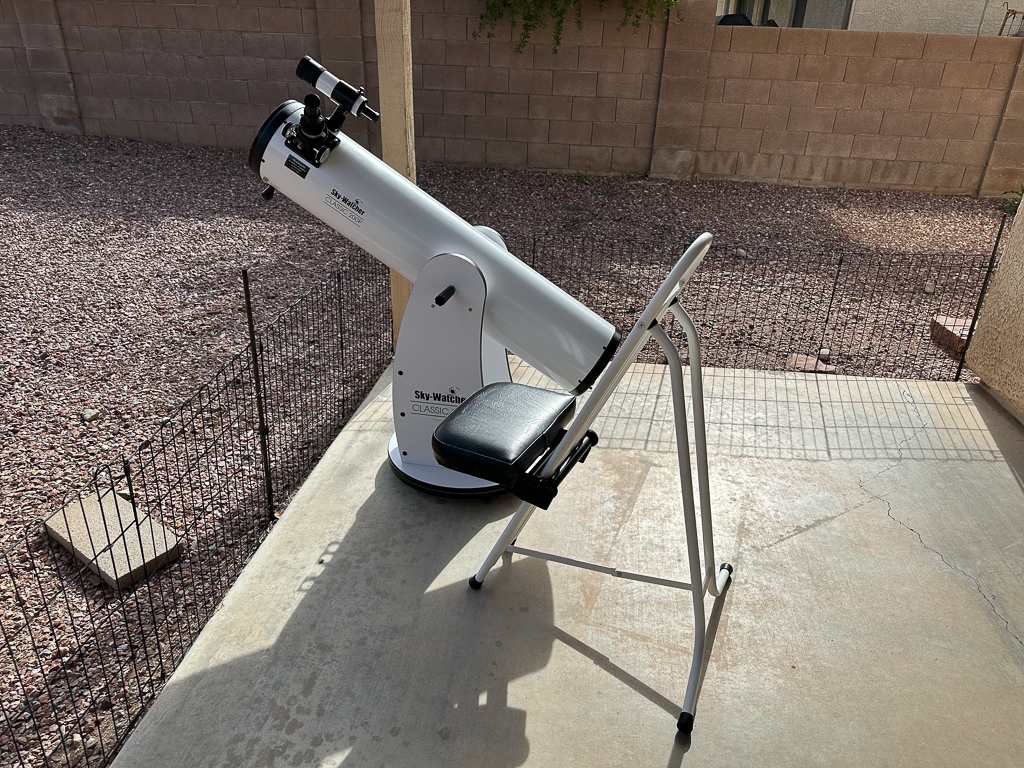
Is a Dobsonian the Same as a Newtonian Telescope?
If you have spent any time reading about telescopes, you have probably seen the words Dobsonian and Newtonian used like they mean the same thing. They do not — but the confusion is understandable, and once you know the difference it all clicks into place pretty quickly. The short answer is this: Newtonian describes the…
-
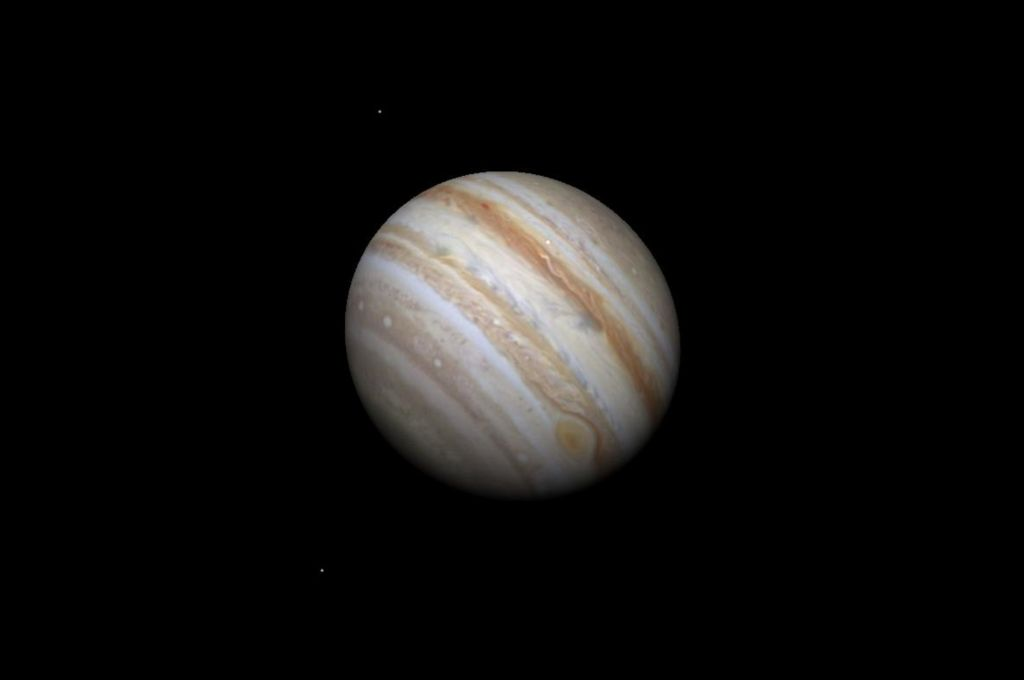
What is Telescope Magnification?
Curious about a telescope’s “zoom” or more accurately “power” and how far its gaze can extend? Wondering which planets might grace your view? It all boils down to magnification, a key factor often misunderstood. In this article, we’ll demystify telescope magnification, offering insights that enhance your understanding of your telescope. From the basics to choosing…
-

What is the New General Catalogue?
There have been hundreds of deep sky catalogues compiled over the millennia, with a handful remaining popular with both professional and amateur astronomers alike. One of these is the New General Catalogue* (NGC), and it’s fair to say there probably isn’t a serious astronomer alive who hasn’t observed objects listed in it. That said, if…
-
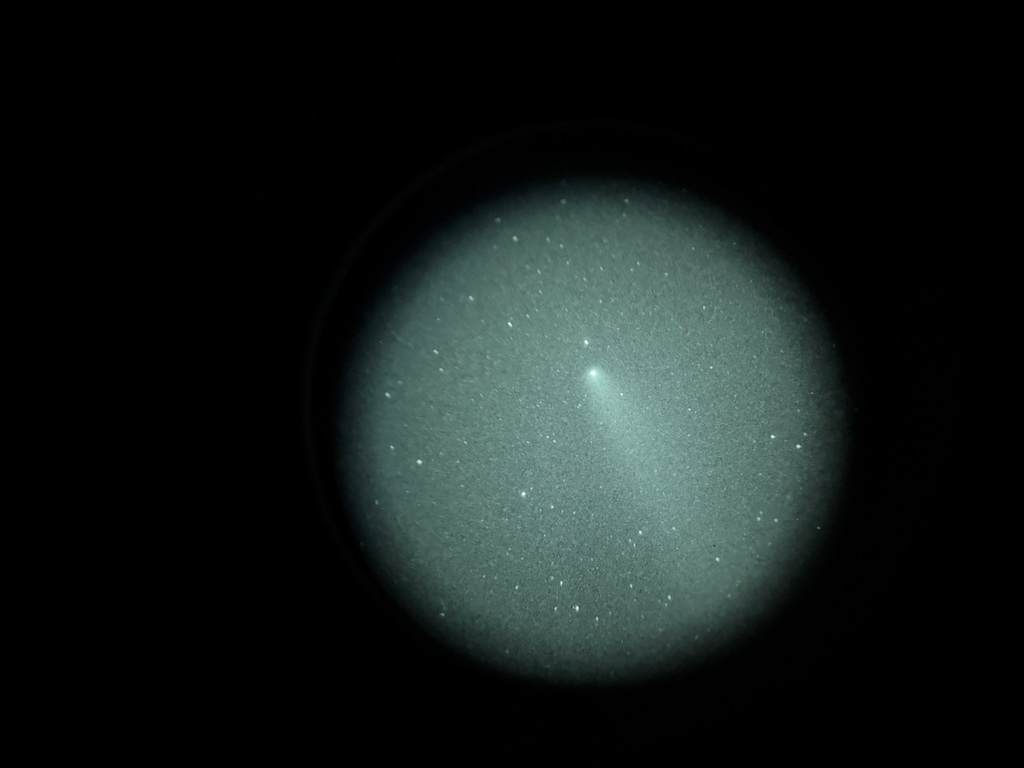
What is a Comet? A Beginner Astronomer’s Guide
Exploring the cosmos is an exhilarating experience for budding astronomers, and one celestial phenomenon that captivates both novice and seasoned stargazers alike is the enigmatic comet. In this beginner’s guide, we’ll unravel the mysteries of these cosmic wanderers, exploring what comets are, why they are special, and how to observe them with different instruments. What…
-
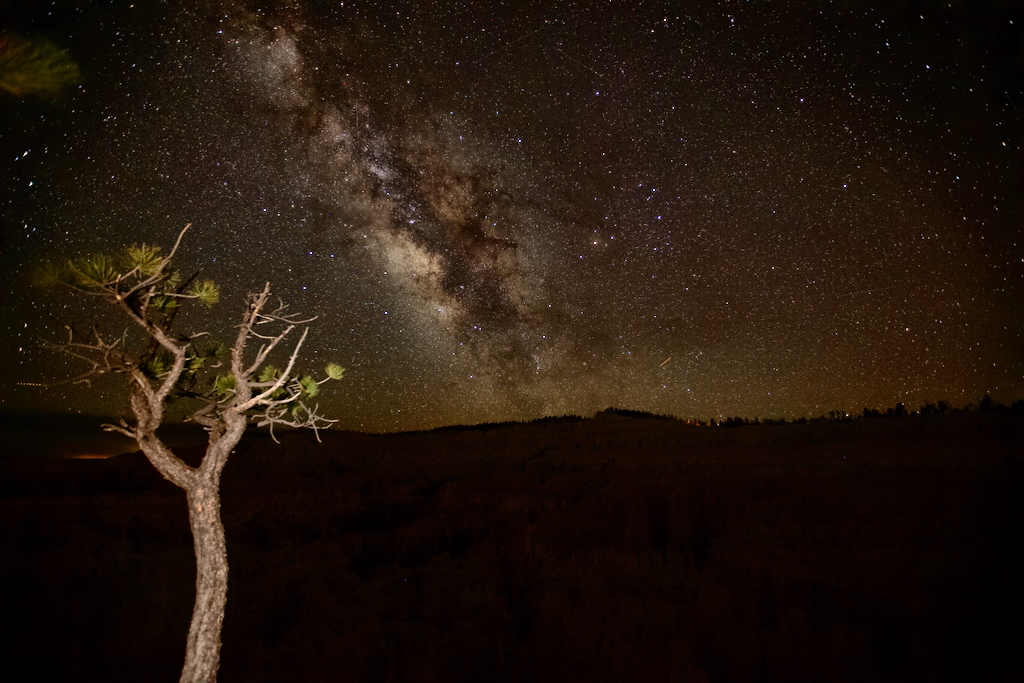
The Bortle Scale Explained – Everything You Need to Know
There was a time, hundreds of years ago, when you could look up at the night sky and see thousands of stars. The Milky Way would arch overhead and misty patches of light, such as the Andromeda Galaxy or the Beehive Cluster, could be easily seen from almost anywhere with just the naked eye. In…