Category: Guides
-
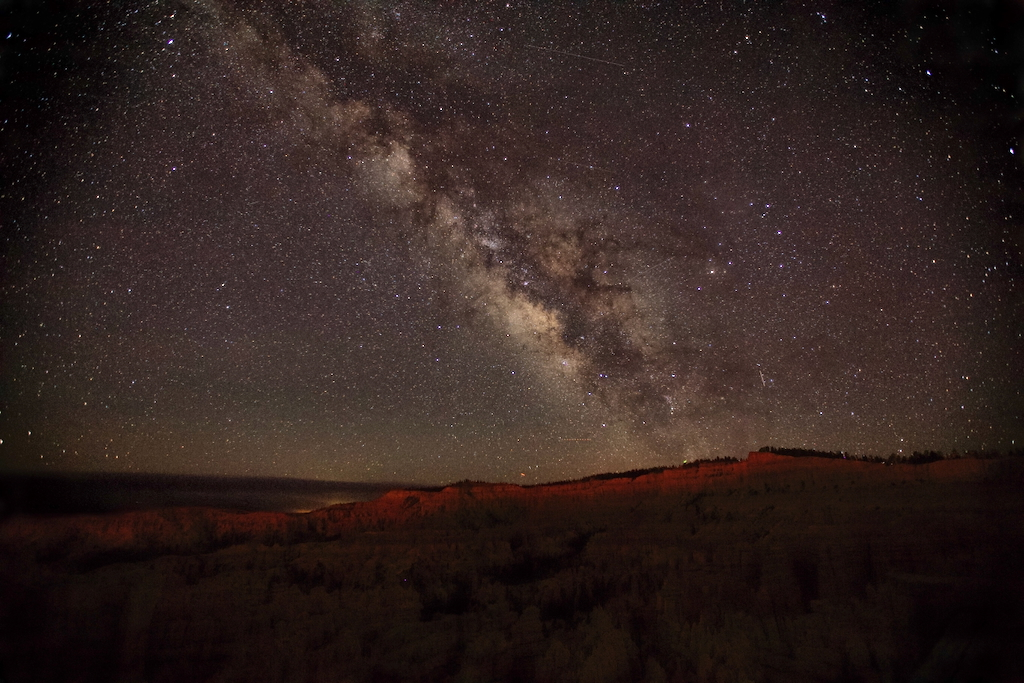
What Makes a Good Dark Sky Location?
There’s a moment that happens to almost every astronomer at some point — you drive away from the city lights, step out of the car, look up, and just stop. The sky you’ve been staring at your whole life suddenly looks completely different. More stars than you’ve ever seen. Structure in the Milky Way. A…
-
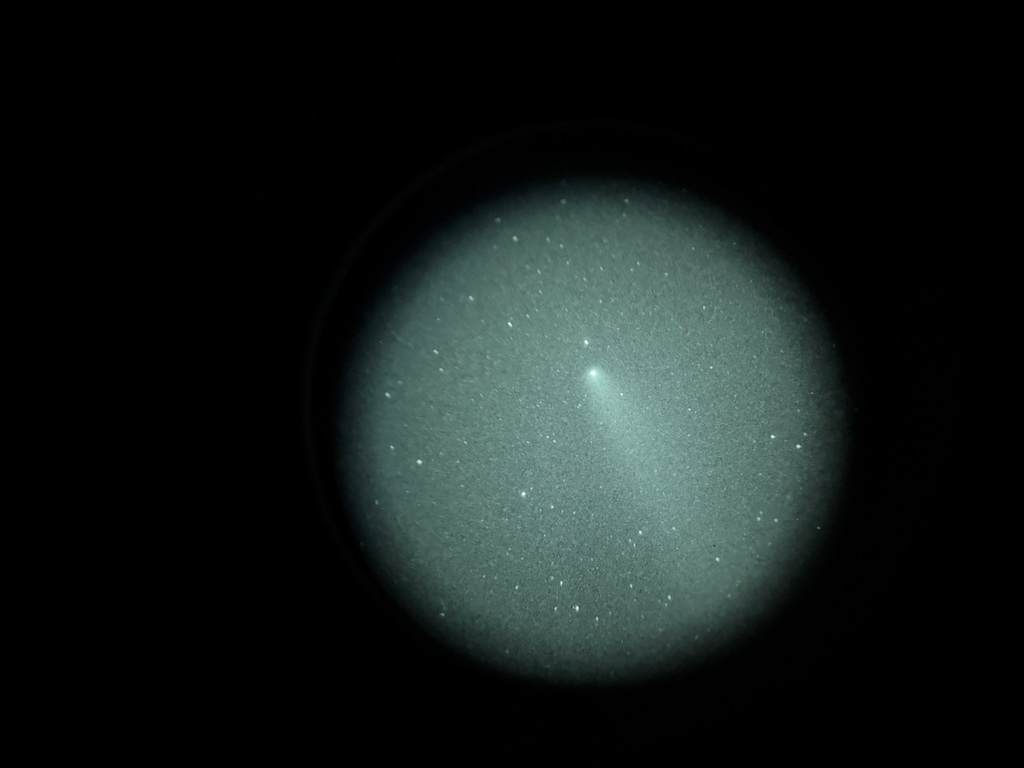
Messier Objects: Everything You Need to Know
Not long after you begin your amateur astronomer journey, you will no doubt discover “Messier objects.” They are some of the most well-known deep sky objects but what exactly are they and why are they so special? In this article, we will tell you everything you need to know about Messier objects and give you…
-
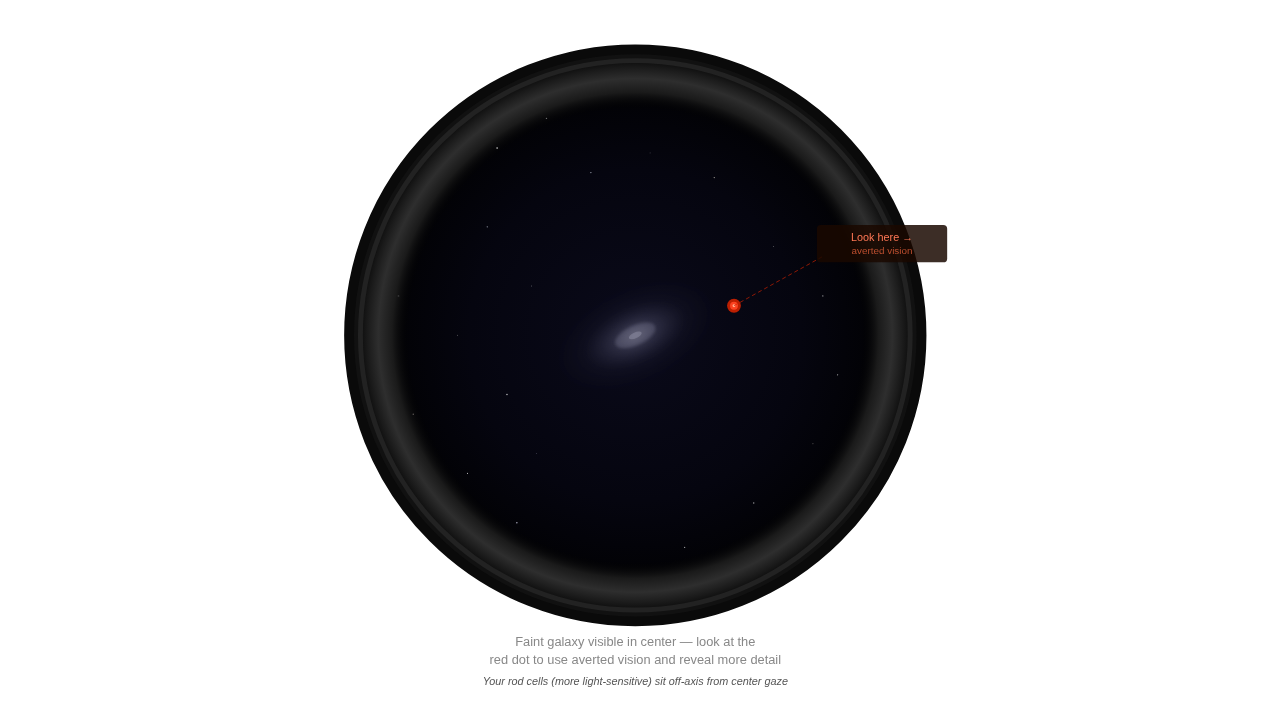
Mastering Averted Vision: A Guide on How to Improve Your Stargazing Sessions
Averted vision sounds complicated. In principle, it’s about as simple as can be. In practice, it sometimes turns out to require a lot of practice and patience. The basic idea is to look slightly away from whatever faint object you are trying to see rather than staring directly at it. This works because the edges…
-
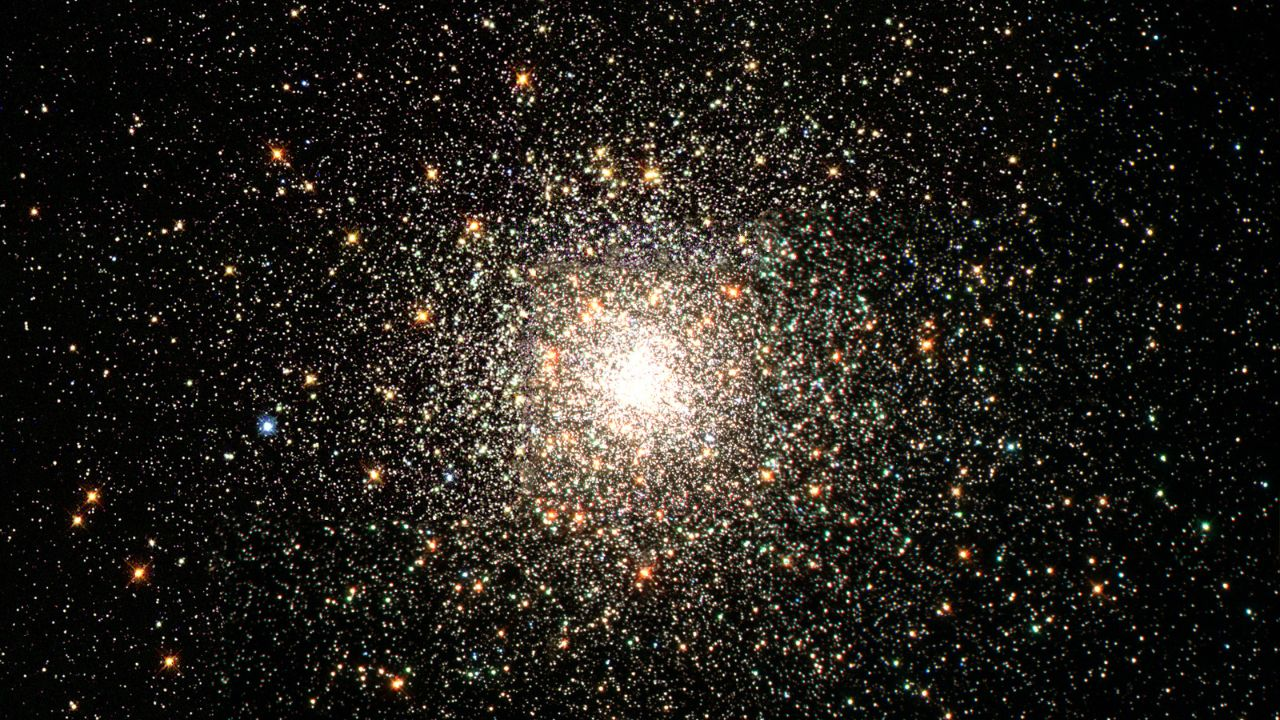
Globular Star Clusters: Everything You Need to Know
When you think of star clusters, the chances are you think of a scattering of stars, like the Pleiades or the Beehive. However, there’s another common type that’s popular with amateur astronomers everywhere: the globular star cluster. While not as numerous as their open star cluster cousins, nearly two hundred are currently known to exist,…
-
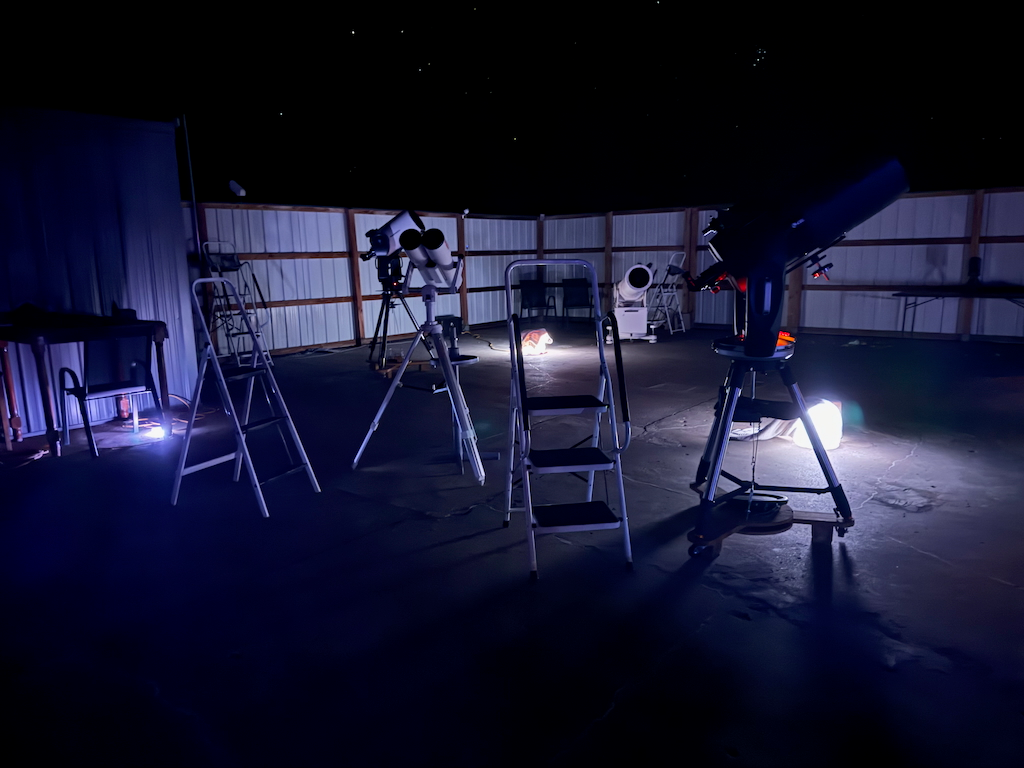
Hosting Your First Star Party: A Beginner’s Guide to Stargazing with Family and Friends
Hosting your first star party can be a lot of fun as every amateur astronomer will probably enjoy sharing the night sky with family and friends. In this guide, we’ll explore the key elements to ensure a successful and enjoyable stargazing event for a small group. From preparing a list of observable objects to creating…