Category: Guides
-
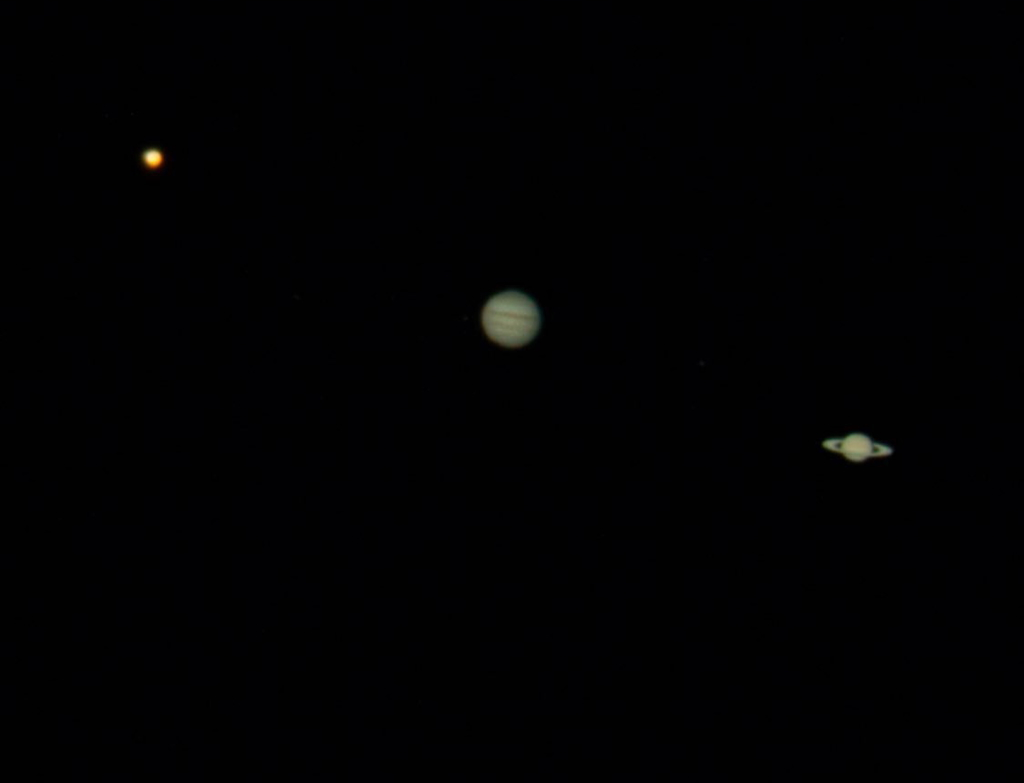
Arc Seconds, Arc Minutes, and Degrees — The Measuring System Used To Understand the Sky
Most beginners spend a lot of time learning what to look for in the night sky. Far fewer take the time to understand how big things actually are up there (or at least how big they appear). Arc seconds, arc minutes, and degrees are how astronomers measure angular size and angular distance in the sky.…
-
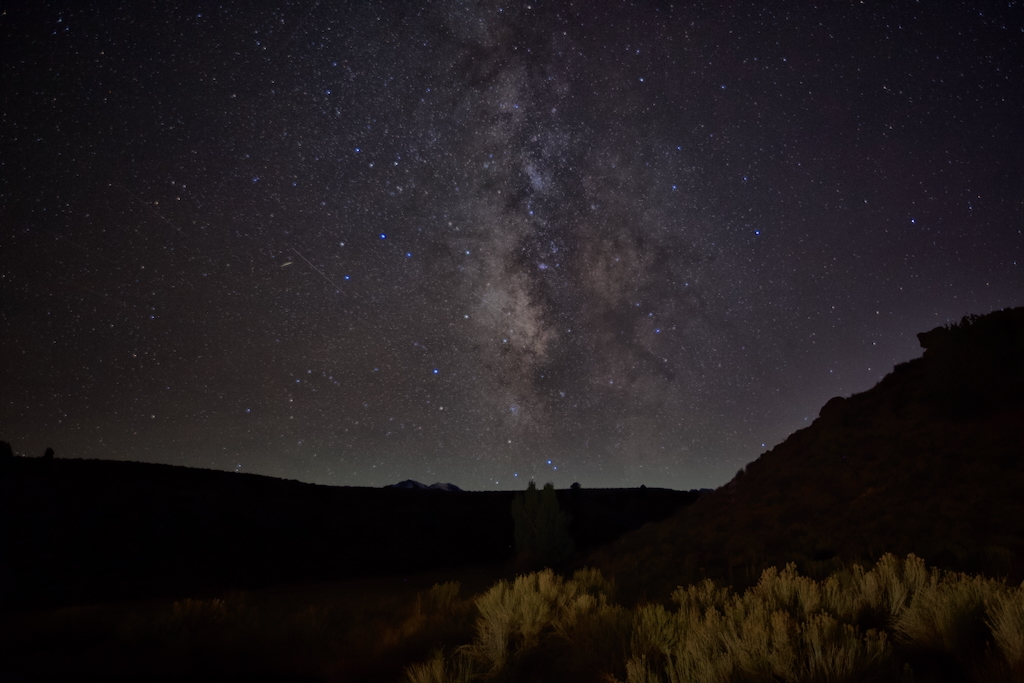
Your First Dark Sky Experience: A Complete Beginner’s Guide
You just took the first step toward one of the most disorienting, perspective-shifting experiences you can have without leaving the planet. This guide will show you exactly how to find the best dark skies near you and how to make the most of every minute once you’re there. No telescope required. No experience needed. Just…
-
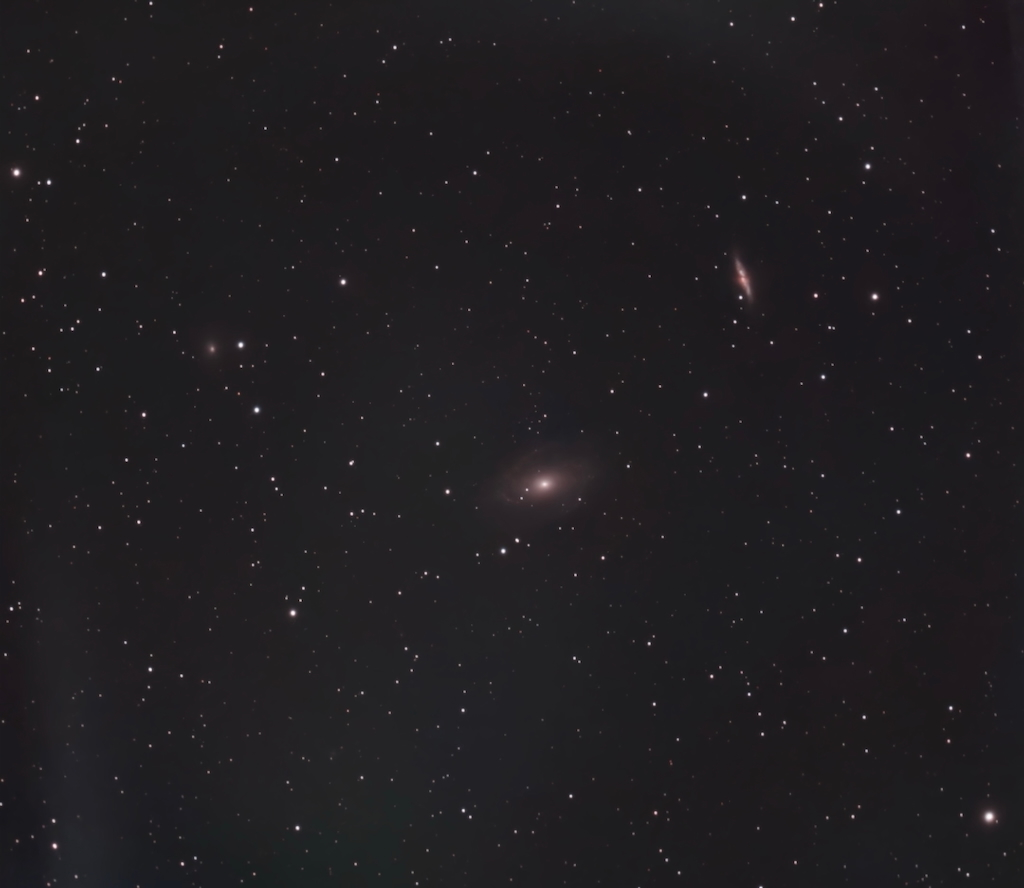
Why Your First Galaxy Observation Might Disappoint You (And How To Fix That)
The first time you look at a galaxy through a telescope, it might honestly be a letdown. I’m not going to sugarcoat that. But stick with me because once you understand why it happens and how to work through it, galaxy observing becomes one of the most quietly profound things you can do under a…
-
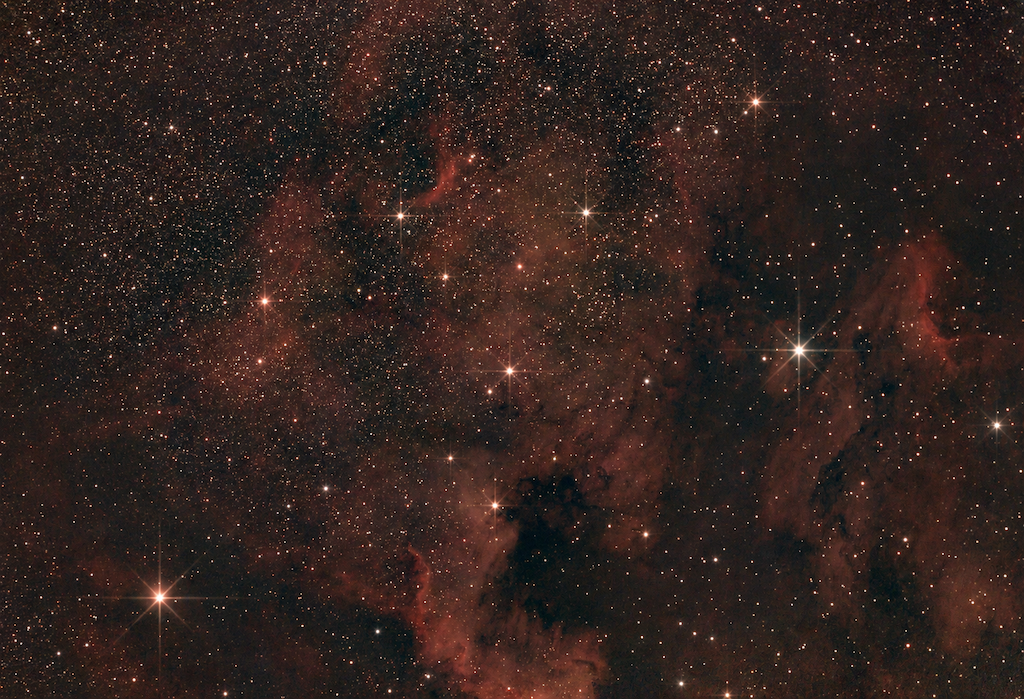
SeeStar S30 Pro Capture: NGC 7000 (The North America Nebula)
The North America Nebula has been on my list for a while. It’s one of those targets I suspected would be a genuinely good fit for the S30 Pro, and after this session I can say that hunch was right. This one also ended up being a milestone for me in a few ways —…
-
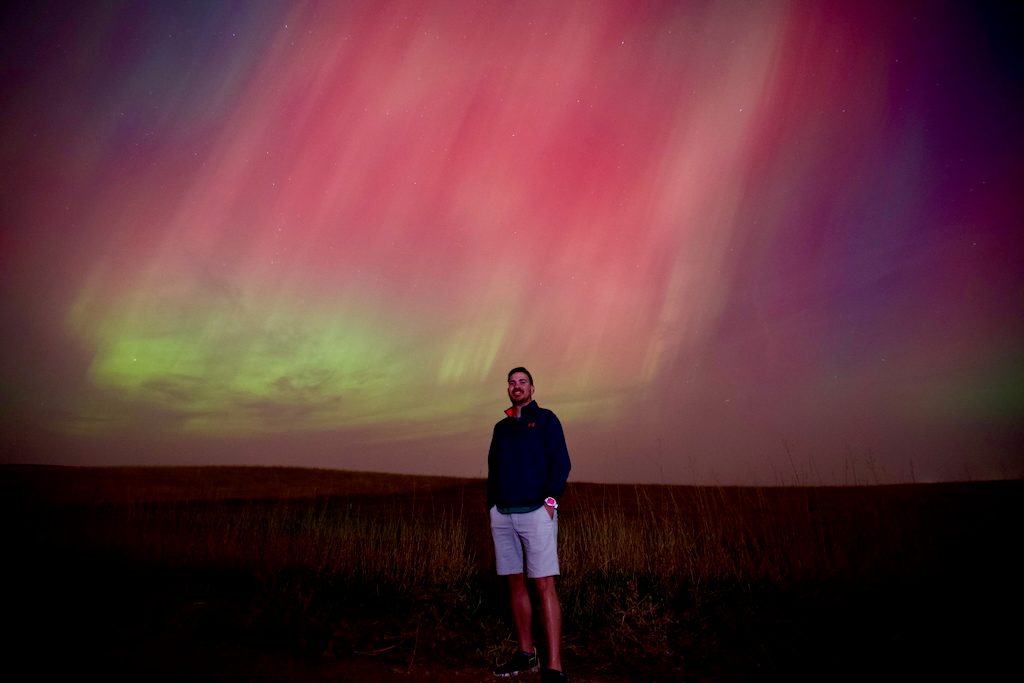
The Top 5 Celestial Events I Chase & Why Each Is So Special
Some celestial events happen once a decade. Some you have to travel for. Some require you to be in exactly the right place, on exactly the right night, with clear skies you’ve been praying for all week. Miss them and you wait years for another shot. This is the roller coaster ride of astronomy! These…